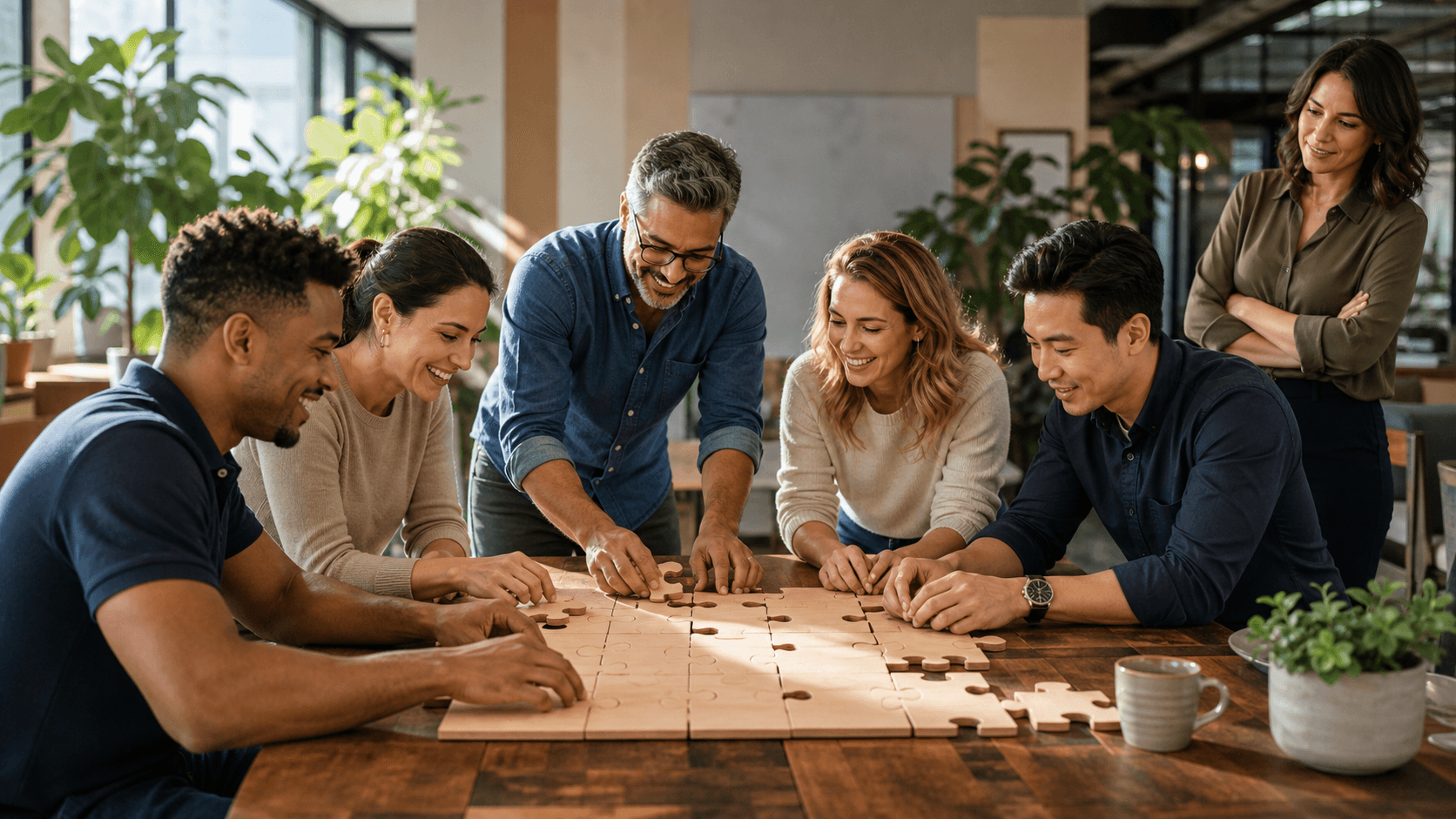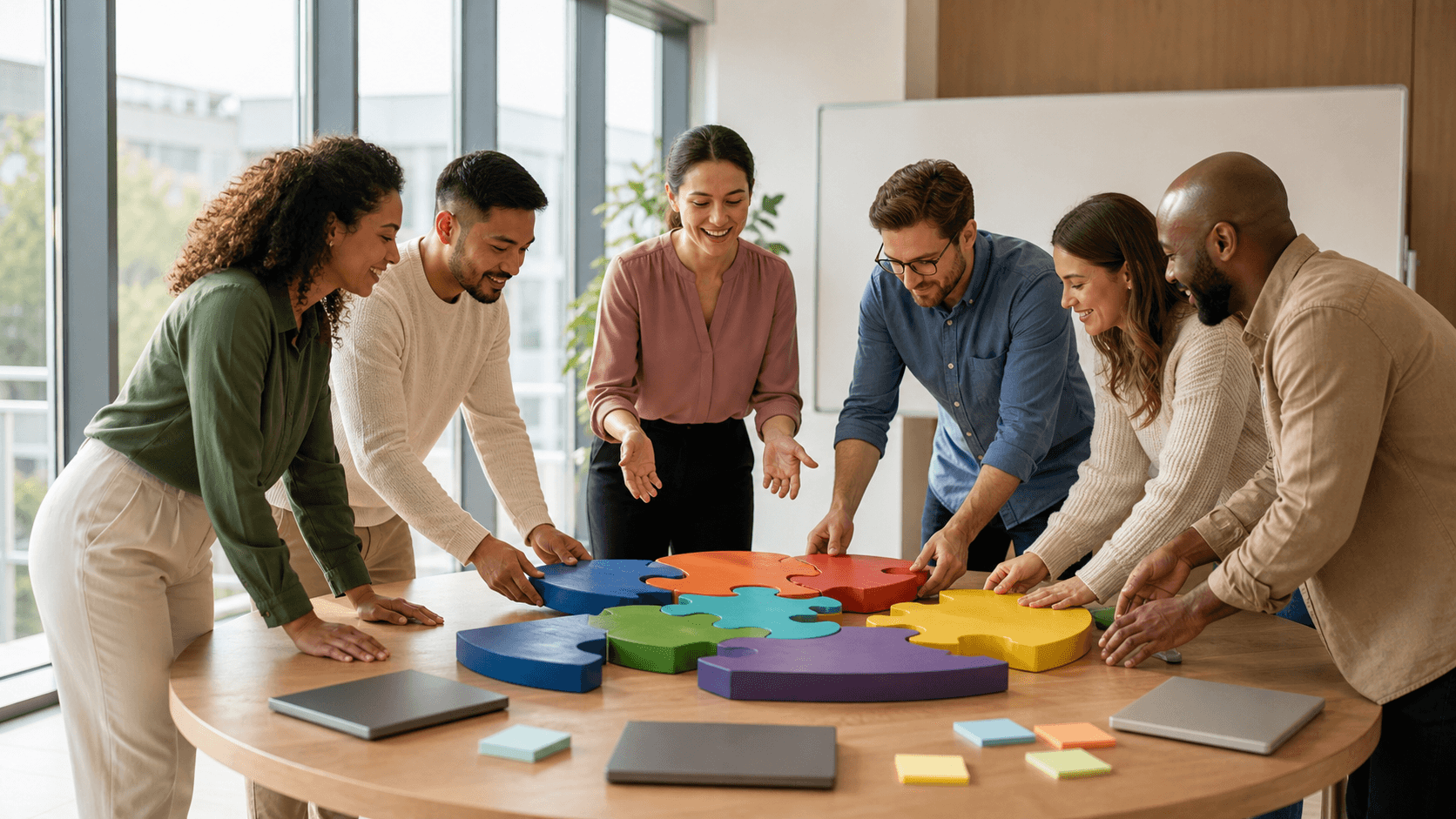
Group building activities can do more than help people get comfortable. The right activity makes teams feel more connected and tuned into what each person brings to the group. Finding that balance is extra helpful during summer in Honolulu, Hawaii, where long days and warm afternoons can stretch focus thin. Things slow down just enough for patterns to shift. People start showing up with different energy. Group dynamics get looser, and sometimes messier.
That makes this time of year ideal for refreshing how we work together. It's not about filling calendars with games. It's about making space for collaboration that fits how people naturally think, move, and lead. Every person has a unique superpower based on one of five elements, Water, Wood, Fire, Earth, or Metal. When we pay attention to that, team activities stop feeling like forced fun and start building trust.
How Seasonal Energy Affects Team Behavior
Honolulu summers bring steady heat and more laid-back rhythms. The days are longer, and people tend to operate at a slower, softer pace. That's not a bad thing, but energy shifts can throw off group tempo if we're not paying attention.
Each personality type responds to these seasonal changes differently. For example:
- Fire types may bring even more energy than usual, talking louder, moving faster, and pushing to keep momentum up.
- Metal types may grow quieter, pulling back to regain structure or order when things feel too loose.
- Earth types may step up to smooth out tension, trying to hold everyone in the middle so no one falls behind.
If we know which element each person leans into, we can make small changes in how we plan collaboration. That might mean adjusting meeting times to match people's peak energy, or shifting group pairings on slower days. Seasonal awareness gives leaders and coworkers a wider lens. It helps us get ahead of misreads and use each person's rhythm to guide connection instead of fight it. Even as things slow down, paying attention to mood and movement is a simple way to support teammates as the group adjusts its rhythm.
Shared Movement: Activities That Tap Into Physical Energy
Summer is not the season for long sit-downs in closed rooms. When heat builds outside, tension builds indoors. Trapped energy often turns into frustration, especially for those who work best while moving. We've found that activities with physical motion let people focus better, especially Wood and Fire types.
Some flexible choices for group building include:
- Walking meetings near shaded parts of the beach or through open park paths
- Short paddle sessions that include laughing, balancing, and cheering each other on
- Group games that use movement but don't require athletic skill, like collaborative relays or timed build tasks
Movement helps some people think more clearly, while others just enjoy the looseness that comes with not being stuck in chairs. Even Earth and Water types (who may not be drawn to motion at first) tend to enjoy it more when there's no pressure to compete. These outdoor setups help open communication come more naturally too, especially when the setting keeps stress levels low. Letting go of the pressure to compete or perform often invites quieter team members to join in, giving everyone a way to participate.
Quiet Collaborations That Bring Out Hidden Leaders
Not everyone wants the spotlight, and not all leadership looks loud. Some people feel calm and clear when they have time to pause, reflect, then respond. Activities that focus on quiet partnership give Water and Metal types a chance to lead in ways that suit them.
Try adding group building activities like:
- Silent partner planning, where teammates solve problems through drawing or written prompts instead of speaking
- Sketch-and-share, where one person imagines a process, the other adds or adjusts it, then both reflect together
- Story pass, where one person begins a simple challenge story, then others take turns adding solutions
These activities work best in quieter, relaxed environments and can be done indoors to cool off during the hottest part of the day. They let natural thinkers slow things down a bit, and sometimes, that's when the strongest contributions happen. When leaders are patient listeners or focused organizers, these settings help the team recognize skills that might not appear in high-energy meetings. Everyone benefits when those who think deeply have a chance to share insights before the group moves on.
Creative Pairings: Let Superpowers Guide the Teams
One of the easiest ways to improve collaboration is by pairing people who balance each other out. Group building works better when personalities complement instead of mirror each other. That's where understanding superpowers really matters.
Some helpful pairing ideas:
- Match Fire with Water to balance bold energy with thoughtful listening
- Pair Wood with Metal for fast action paired with structure and reflection
- Let Earth partner with either Fire or Water to provide grounding and calm energy
Then, give the pairs fast tasks:
- Solve a five-minute riddle that requires two different ways of thinking
- Do a name-swap brainstorm, where each person pitches an idea through their partner's style
- Have pairs rotate problems and build on the group before them
These short-but-focused exercises give the team a better sense of how to relate and rely on each other. They're easy to set up, don't take too long, and show how different strengths mesh in real time. When teams see their unique strengths work together, they become more willing to tackle harder challenges as a group. This builds confidence and sets the foundation for future creative teamwork.
Team Flow Starts With Noticing Each Other
At the end of the day, group building works when people actually look at each other, when they notice what kinds of energy someone brings in a quiet moment or how they react to a sudden change in plan. Honolulu summers remind us to slow down. To let things breathe a bit. In those longer pauses, we start to notice who's leaning in and who might need space or support.
A calm moment after a shoreline activity. A soft conversation under shade before a group session begins. These are the places real leadership shows up. It's never about who talks the most, it's about who holds space, who redirects a stuck group, and who senses tension without needing it named.
When teams start to see each other's superpowers, they stop making assumptions. They stop forcing each other into the same mold. Collaboration doesn't have to be a challenge. Most of the time, it just needs more paying attention. Noticing when someone is quiet or excited and responding to that energy builds a stronger bond. Paying attention in the moments between activities or during group transitions can reveal the small shifts that help teams stay connected.
Strengthen your team's connection by exploring the power of diverse energies through engaging group building activities. At Master Your Superpowers, we create personalized experiences that honor each individual's unique element, fostering an environment where collaboration flourishes without competition. Whether your team thrives in motion or draws strength from quiet reflections, we offer solutions that resonate with your group's natural dynamics. Reach out today to craft an experience that enhances your team's synergy and adaptability.